
This module is designed to provide comprehensive training on Hydrogel Pads, used in treating sore and cracked nipples. There are many treatment options for sore and cracked nipples; for example the application of lanolin is a beneficial preventive intervention for reducing nipple trauma and pain. This module will focus solely on Hydrogel Pads as a treatment option. Read more
Rating
Content
Price

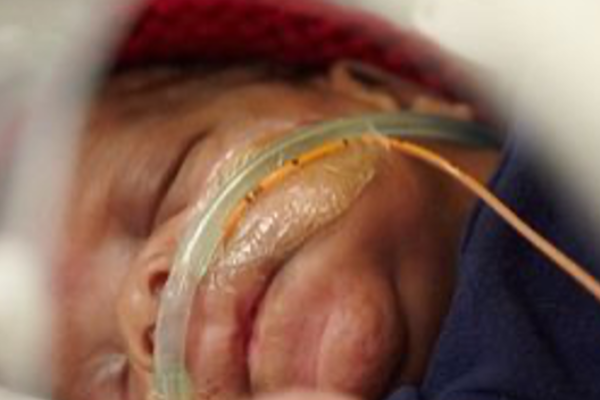
In this clinical webinar, Dr Rebecca Hoban explores practical, evidence-based strategies for transitioning NICU infants from NG/OG tube feeding to direct breastfeeding and oral feeding. She highlights the importance of direct breastfeeding for both short and long-term outcomes, addresses how misinformation and inconsistent messaging can create barriers, and shares actionable approaches such as non-nutritive sucking, test weighing for intake assessment, fortification methods, and quality improvement pathways that support successful feeding transitions in the NICU. This program has been approved for 1.0 contact hours; provider approved by the California Board of Registered Nursing, CEP 13692. This program has been accredited 1.0 CPD point by the CPD certification service. Read more
Rating
Content
Price
This is a prerecorded webinar - Not waiting to fail a clinical framework for lactation risk in late preterm infants presented by Dr. Aloka Patel. It focuses on why this “often overlooked” group experiences lower rates of mother’s own milk initiation and continuation, what clinical risks are linked to inadequate milk intake, and which quality improvement strategies and research evidence can help clinicians and care teams improve outcomes. This program has been approved for 1.0 contact hours; provider approved by the California Board of Registered Nursing, CEP 13692. This program has been accredited 1.0 CPD point by the CPD certification service. Read more
Rating
Content
Price
.jpg)
Moderated by EMBA President Prof. Clair-Yves Boquien, this session explores donor human milk through both clinical and human perspectives. Prof. Daniel Klotz examines the global landscape of human milk banking, highlighting its impact on neonatal outcomes, current challenges, and evidence-based strategies to improve access and sustainability. Prof. Tanya M. Cassidy shares insights from over 20 years of international research with donor and recipient families, illuminating the emotional, ethical, and relational experiences behind donor milk donation and use. Together, these perspectives demonstrate how donor human milk connects science, healthcare systems, and the lived experiences of families, reinforcing its value in supporting vulnerable infants worldwide. This program has been approved for 1.0 contact hours; provider approved by the California Board of Registered Nursing, CEP 13692. This program has been accredited 1.0 CPD point by the CPD certification service. a { text-decoration: none; color: #464feb; } tr th, tr td { border: 1px solid #e6e6e6; } tr th { background-color: #f5f5f5; } Read more
Rating
Content
Price
This recorded presentation by Professor Paula Meier highlights features of the uniquely human sucking pattern used by healthy infants when breastfeeding in the early postpartum days. Also featured are studies demonstrating the effectiveness and efficiency of Initiation technology™ as well as evidence-based best practices to implement this technology into practice. Dr. Paula Meier, PhD, RN, is a Professor of Pediatrics and Nursing at Rush University Medical Center in Chicago. Dr. Meier has worked as a practitioner, researcher, and educator in the area of human milk, lactation and breastfeeding for premature infants and their mothers since 1975. She spearheaded the multidisciplinary Rush University NICU Human Milk Research Team that has conducted numerous externally-funded translational research and demonstration projects focused on the removal of barriers to high-dose, long-exposure mothers' own milk feedings for NICU infants. This program has been approved for 1.0 contact hours; provider approved by the California Board of Registered Nursing, CEP 13692. This program has been accredited 1.0 CPD point by the CPD certification service. Read more
Rating
Content
Price
Au cours de cette session, vous découvrirez des recherches inspirantes qui révèlent comment des interventions simples et efficaces (contact physique avec les parents, lait maternel, stratégies nutritionnelles innovantes et nouvelles approches neuroprotectrices) transforment les possibilités en matière de soins néonatals. Rejoignez-nous pour découvrir de nouvelles idées, renforcer votre impact et entrer en contact avec une communauté qui s'engage à offrir à chaque bébé le départ le plus sûr et le plus solide possible dans la vie. Read more
Rating
Content
Price
Shopping cart
Your cart is empty